Dental Materials
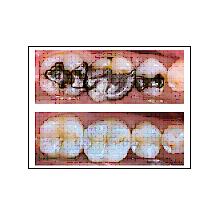
The use of composites in restorative dentistry has sparked widespread research into the development of an ideal material with specific thermal, aesthetic, and mechanical properties. However, the shortcomings of such materials include low biocompatibility, mechanical properties, and resistance to wear. The purpose of this study is to evaluate multi-methacrylate derivatives of cholic acid (a bile acid) as replacements for the rigid monomers currently used in the organic phase of dental composites. It is our hypothesis that the rigid steroid backbone, natural occurrence in the human digestive tract, and multiple chemical
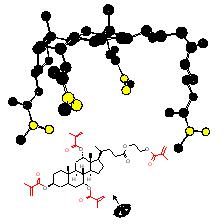
modification sites of bile acids make them ideal candidates for the preparation of biocompatible materials with tailored physical properties. While other monomer candidates have been put forth over the years by various research groups, the novelty of this work lies in the fact that the molecules released from the composite through wear in the mouth should be biocompatible and not have the adverse health effects known for typical commercial monomers (as well as their degradation products). In the present study we assess the reactivity of monomers derived from cholic acid and test the thermo-mechanical properties of polymers, co-polymers, and composites prepared from the latter. Results indicate that materials prepared from certain cholic acid derivatives possess thermo-mechanical properties similar to those of typical commercial materials. This indicates that derivatives of cholic acid may potentially be viable replacements for typical commercial dental monomers. We have measured the mechanical properties of these materials. We also develop new methods to monitor the degree of curing in such resins.
|
  |
|---|